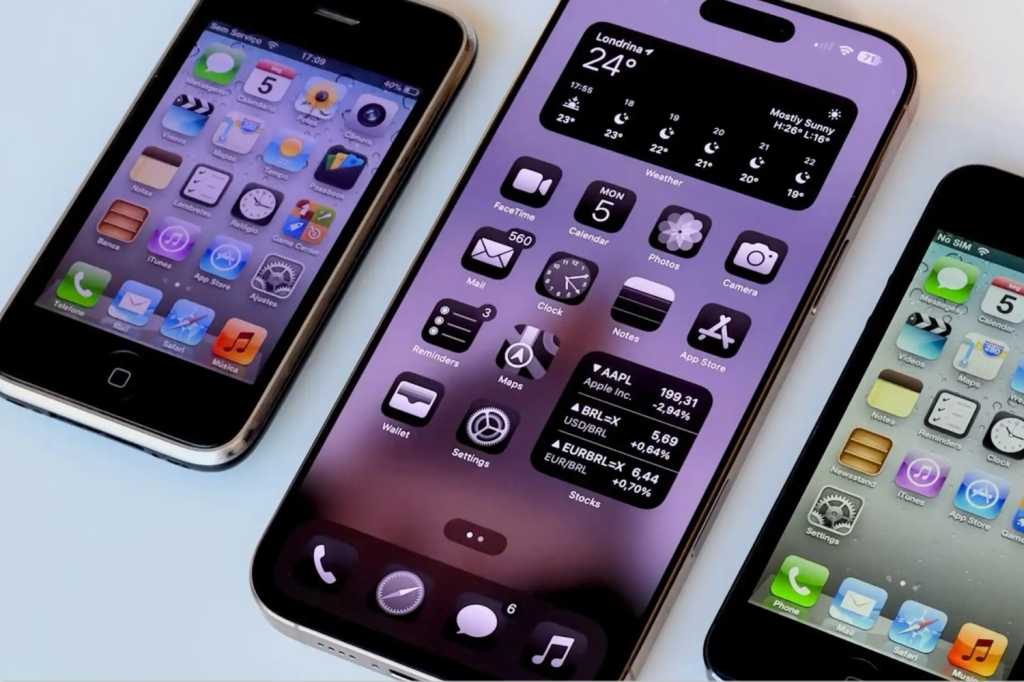
What's the Latest iOS? Why Your iPhone Version Matters
In the rapidly evolving world of technology, keeping your devices up-to-date isn't just about enjoying the newest features—it's about security, performance, and compatibility. For iPhone and iPad users, this means staying informed about Apple's operating system: iOS. You might often wonder, what iOS are we on, and why does it even matter? The answer is more critical than you might think.
iOS is the powerhouse behind your Apple mobile devices, the software that makes everything from swiping through photos to making a FaceTime call possible. Apple consistently rolls out updates to this software, bringing a flurry of improvements, exciting new functionalities, and, crucially, vital security fixes. Ignoring these updates can leave you lagging behind, missing out on innovations, and potentially exposing your personal data to risks. Let's dive deep into why your iOS version is so important and how to ensure your device is running optimally.
Understanding iOS: The Brains Behind Your iPhone
At its core, iOS is Apple's proprietary mobile operating system. Originally coined "iPhone OS" when the first iPhone launched in 2007, it has since evolved to power not just iPhones but also iPads and iPod Touch devices. iOS provides the fundamental framework that allows your device to function. It drives the core phone features, enables the intuitive multi-touch interface, and runs all the built-in apps you rely on daily, such as Mail, Camera, Safari, and Maps.
Unlike open-source operating systems like Android, which Google designs for a multitude of smartphone manufacturers, iOS is exclusive to Apple hardware. This tight integration between software and hardware is a hallmark of Apple's ecosystem, often leading to a highly optimized and seamless user experience. Apple also develops distinct operating systems for its other product lines, including macOS for computers, watchOS for Apple Watches, and tvOS for Apple TV, each tailored for its specific device category.
Why Your iOS Version Matters: Beyond Just New Features
Thinking about "what iOS are we on" isn't just about bragging rights for the latest features. Your iOS version has a profound impact on almost every aspect of your iPhone's operation, affecting everything from how securely your data is handled to which apps you can use.
1. Access to New Features and Enhancements
Each major iOS update introduces a wealth of new capabilities and user interface improvements. From redesigned app layouts to groundbreaking technologies like advanced Artificial Intelligence features or innovative visual effects (imagine features like "Liquid Glass" that redefine the user interface), these updates continually enrich your iPhone experience. Running the latest iOS means you're always equipped with Apple's cutting-edge innovations, enhancing productivity, creativity, and communication.
2. Critical Security Updates and Bug Fixes
Perhaps the most vital reason to keep your iOS updated is security. No software is ever entirely free of bugs or vulnerabilities, and iOS is no exception. Apple engineers are constantly identifying and patching security flaws that could otherwise be exploited by malicious actors. An outdated iOS version is a ticking time bomb, leaving your personal information, financial data, and privacy susceptible to attacks. Regular updates are Apple's commitment to keeping your digital life safe, fixing known issues, and improving overall system stability.
3. Performance and Battery Optimisation
Newer iOS versions often come with significant under-the-hood optimizations. These can lead to smoother performance, faster app loading times, and more efficient battery management. While older devices might not always see dramatic speed boosts, updated software typically ensures that your phone is running as efficiently as its hardware allows. Apple continually refines its algorithms to make the most of your device's processing power and energy consumption.
4. App Compatibility
Developers are constantly updating their applications to take advantage of the latest iOS features and security protocols. Consequently, many new apps, or even updates to existing ones, will require a minimum iOS version to function correctly. If your iPhone is running an older iOS, you might find yourself unable to download or use certain essential applications, or you might miss out on crucial features within the apps you already have. Staying current ensures you have access to the full ecosystem of applications.
What's the Latest iOS? And How to Find Your Current Version
Apple typically releases a new major version of iOS annually, usually around September, followed by several point updates (e.g., iOS 17.1, 17.2, 17.3) throughout the year. These point updates typically focus on bug fixes, security enhancements, and smaller feature additions. While this article can't name the *exact* latest version in real-time, as it changes frequently, Apple's official website is always the most reliable source for the most current information.
For illustrative purposes, consider a hypothetical "iOS 26" as a future major release, which might introduce revolutionary interface changes and advanced AI features. Staying abreast of these announcements helps you understand what new possibilities are on the horizon for your iPhone.
How to Determine Your iPhone's iOS Version
Checking which version of iOS your device is running is straightforward:
- Tap the Settings app on your home screen.
- Scroll down and tap General.
- Tap About.
- Look for the row labeled "Software Version." The number displayed here (e.g., 17.4.1) indicates your current iOS version. The first number (e.g., 17) represents the primary version, while the numbers after the periods denote subsequent updates and patches.
Knowing this information is the first step toward understanding your device's capabilities and security status. For a more detailed guide with visuals, check out our article: Discover Your iOS Version: Quick Steps for iPhone & iPad.
Is Your iPhone Compatible with the Latest iOS?
While Apple strives to support devices for as long as possible, each new iOS version often requires more powerful hardware to run smoothly. This means older iPhone models eventually reach a point where they can no longer update to the newest iOS. Compatibility typically depends on the processor chip inside your device. For instance, a hypothetical "iOS 26" might require an A12 Bionic chip or newer to deliver its advanced features and performance optimizations.
Based on such hardware requirements, older models like the iPhone XR, XS, and XS Max might not be compatible with hypothetical future versions like "iOS 26." Conversely, a wide range of newer models, such as the iPhone 11 series, iPhone 12 series, iPhone 13 series, iPhone 14 series, iPhone 15 series, iPhone 16 series, and even hypothetical future iPhone 17 models (including the Air, Pro, and Pro Max variants), would typically be fully supported.
If your device is no longer compatible with the latest iOS, you'll still be able to use it, but you'll miss out on new features, eventually face app compatibility issues, and, most importantly, gradually lose access to critical security updates, making it increasingly vulnerable over time. This is a crucial factor to consider when deciding whether it's time to upgrade your hardware.
How to Update Your iOS
If your iPhone is compatible, updating is simple:
- Go to Settings > General > Software Update.
- If an update is available, you'll see an option to Download and Install.
Before initiating any update, it's always recommended to back up your device to iCloud or your computer to prevent data loss in the rare event of an issue. To learn more about preparing your device and performing a smooth update, read our comprehensive iPhone iOS Guide: Check Compatibility & Get New Features.
Tips for a Smooth iOS Update Experience
- Back Up Your Device: Always create a fresh backup of your iPhone to iCloud or your computer before updating. This safeguards your data if anything goes wrong.
- Ensure Sufficient Power: Make sure your iPhone has at least 50% battery life, or ideally, keep it plugged into a power source during the update.
- Stable Wi-Fi Connection: Use a reliable and strong Wi-Fi network for downloading the update. Cellular data might incur charges and could be slower or less stable.
- Free Up Storage: Ensure you have enough free storage space on your device for the update file. iOS will typically warn you if you don't.
- Be Patient: Updates can take anywhere from a few minutes to over an hour, depending on the update size and your internet speed. Do not interrupt the process once it has started.
Conclusion
Understanding what iOS are we on and keeping your iPhone updated is not merely a technicality; it's fundamental to getting the most out of your device. From enjoying the latest user interface enhancements and groundbreaking features to ensuring robust security against emerging threats, your iOS version plays a pivotal role. By staying informed, checking your device's compatibility, and performing regular updates, you're investing in the longevity, security, and optimal performance of your iPhone. Embrace the continuous innovation that Apple brings to its operating system and enjoy a safer, richer, and more powerful mobile experience.